The Real Meaning Behind Receiving Gifts
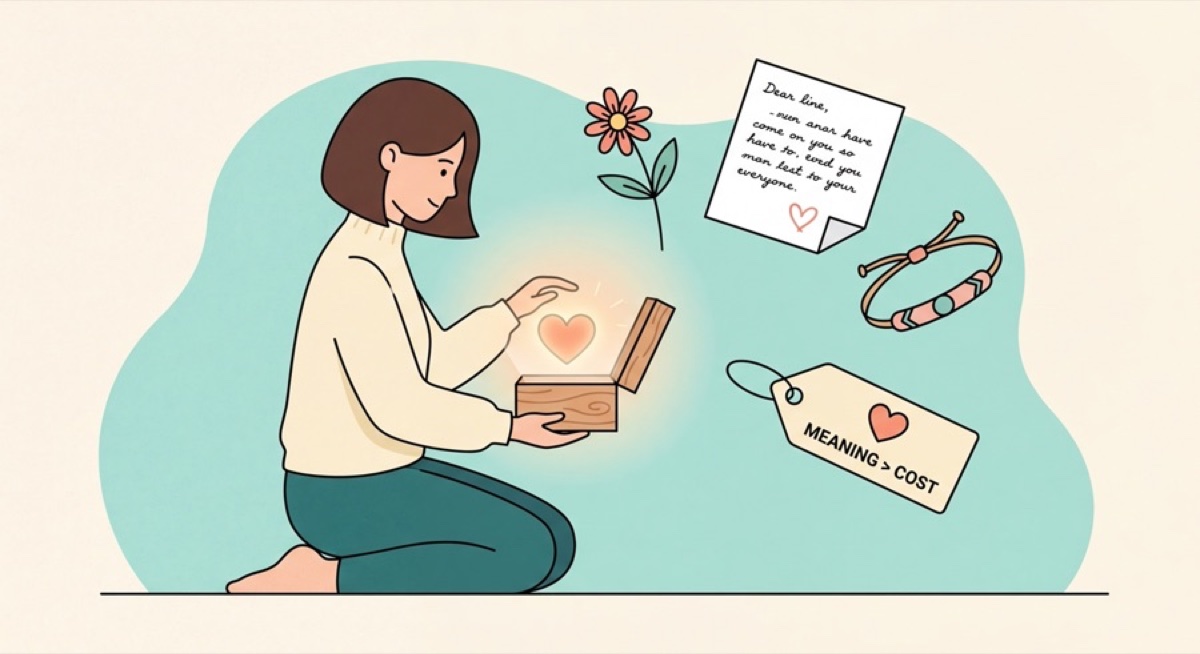
Receiving Gifts is perhaps the most misunderstood of the 5 love languages. When people hear it, they often assume it means the person is materialistic — that they care about stuff, or status, or being spoiled. This misreading causes a lot of unnecessary friction and missed connection. In reality, people whose primary love language is Receiving Gifts care very little about the monetary value of a gift. What they care about is the meaning behind it: You thought about me. You noticed something I mentioned. You made an effort to bring me something tangible that represents your love.
Dr. Gary Chapman explains it this way: to a Receiving Gifts person, the gift is a visible symbol of love. It's evidence that you were in their thoughts even when they weren't physically present. A perfectly chosen £3 gift — a chocolate bar they once mentioned they loved, a book you dog-eared because it reminded you of them, a single flower from the garden — can be more emotionally meaningful than an expensive generic present. The gift is a love token, and the thought behind it is the actual substance of the gift.
Why Forgetting Occasions Hurts So Much
For Receiving Gifts people, there is another side to this love language: the pain of being forgotten. Missing a birthday, anniversary, or significant milestone isn't perceived as mere forgetfulness — it's experienced as evidence that they weren't worth remembering. This may sound dramatic to someone whose love language is different, but to a Gifts person, occasions are meaningful rituals of love. The gift given on those days says: "I remembered you. You matter. I planned ahead because you were worth planning for."
When a partner consistently forgets or dismisses significant occasions, the message the Gifts person receives is the opposite: you weren't on my mind, or you weren't worth the effort. Understanding this isn't about teaching your partner to spend money — it's about recognising that a little intentional remembrance and a small, thoughtful gesture goes an enormous way toward making this person feel deeply loved.
Thoughtfulness Is the Currency
The most impactful gifts for this love language are ones that demonstrate you've been paying attention. They reference something your partner mentioned in passing weeks ago — a book by an author they admire, a scented candle in the fragrance they described once, a mug from a café in a city they've always wanted to visit. These gifts say: "I was listening when you told me that. I carried it with me and I did something with it."
Conversely, a thoughtless expensive gift — something generic, obviously last-minute, or completely disconnected from who they are — can actually feel worse than no gift at all, because it highlights the absence of attention. The price tag doesn't substitute for personalisation. This is why a handwritten note can be one of the most powerful "gifts" for a Receiving Gifts person — it required time, thought, and the selection of words that are specific to them. Consider using our Love Letter Generator to craft something personal that serves as both a letter and a gift.
Budget-Friendly Gift Ideas That Hit the Mark
You absolutely do not need to spend a lot of money to speak the Gifts love language fluently. Here are ideas across a range of budgets and occasions that tend to resonate deeply with Gifts people because they prioritise thoughtfulness over price:
Free or under £5: A handwritten note with specific things you love about them; a playlist of songs that remind you of them with a note explaining each one; picking wildflowers or a single stem from your garden; printing a favourite photo and writing on the back why you love it; making their favourite meal and presenting it with a small note; doing a piece of their least favourite chore and leaving a card saying you took care of it.
£5–£20: Their favourite snack or treat, thoughtfully packaged; a paperback of a book they'd love based on a conversation; a small plant for their desk or space; a locally made candle or soap in a scent they like; a journal with a written note inside the cover; a box of specialty tea or coffee they'd never buy themselves; a card that's genuinely funny or touching, written in your own words.
£20–£50: A cooking class for something they've mentioned wanting to learn; a subscription box for a month in a category they love (books, coffee, self-care, wine); a piece of jewellery with a personal meaning; tickets to a local event — a comedy night, a film, a theatre performance; a personalised item — an engraved keyring, a custom print, a book with their name in the dedication.
The Surprising Gift: Your Presence
One of Dr. Chapman's most interesting observations about the Receiving Gifts love language is that the gift of self — being present at a significant moment — also functions as a profound gift for this person. Attending something important to them: a work presentation, a sports match, a recital, a difficult medical appointment. These acts of physical presence, where you show up when you didn't have to, communicate love as tangibly as any wrapped object.
This is worth knowing, especially in seasons where financial resources are tight. If money is genuinely limited, showing up — at the thing that matters to them, with your whole attention, holding a cup of coffee they like and saying "I wanted to be here" — is a gift that will be remembered far longer than a department store purchase. Pair it with a handwritten note and you've spoken this love language beautifully, for almost nothing.
Keeping a Gift Log
One of the most practical skills you can develop if your partner's love language is Receiving Gifts is the habit of noticing and recording. When your partner mentions something they'd love, an author they want to explore, a place they've always wanted to visit, a product they've admired — write it down. Keep a running note on your phone (or in a physical notebook) called something like "things they'd love." When an occasion arises — or even a random Tuesday — you have a ready resource of ideas that are genuinely specific to them.
This habit transforms gift-giving from a stressful scramble into an act of ongoing attentiveness. And the beauty of it is that your partner will notice — not because they know about the list, but because the gifts you give will clearly reflect a person who's been paying attention all year. That attention is the real gift. Also see our guide to finding your partner's love language for more ways to tune in to what matters to them.