What Quality Time Actually Means
Quality Time is one of the 5 love languages, and it's one of the most frequently misunderstood. People often assume that if they're spending time with their partner — watching TV together, being in the same room while working, sharing meals — they're meeting this need. But for someone whose primary love language is Quality Time, physical proximity is not the same as genuine connection. What they need is your focused, undivided attention.
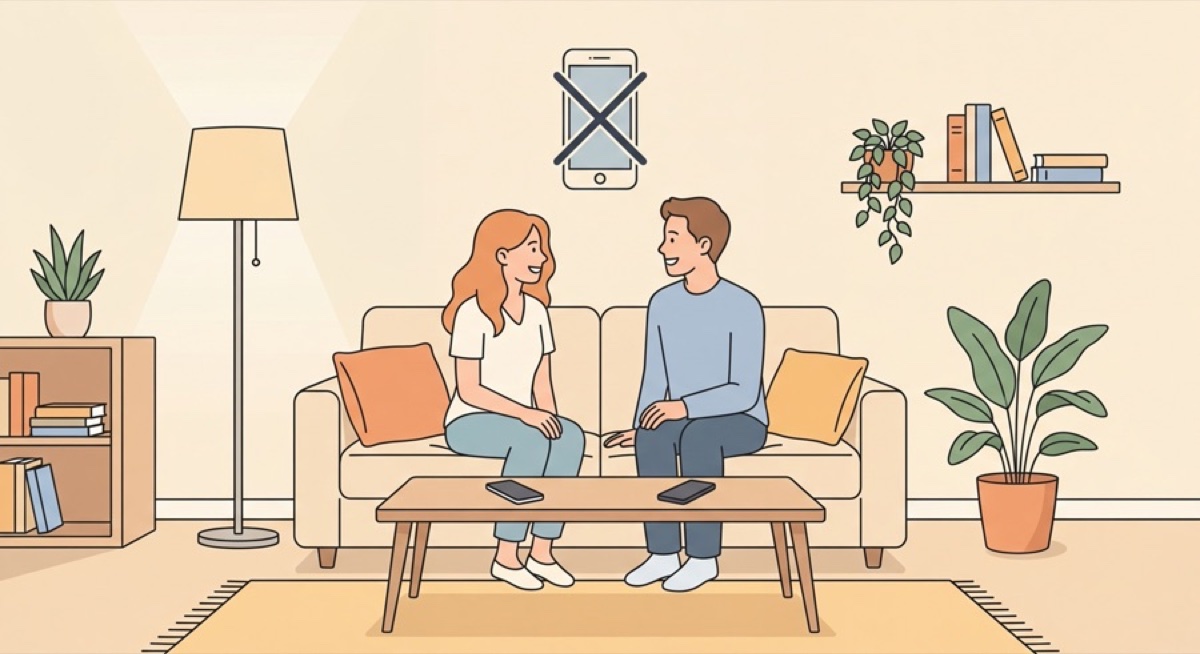
Dr. Gary Chapman describes quality time as "giving someone your undivided attention." This means making eye contact, being emotionally present, putting aside distractions, and actively engaging with the person in front of you. It's the difference between sitting next to each other scrolling through separate phones and sitting across from each other at dinner, actually talking, laughing, and listening. The former barely registers; the latter fills their emotional tank completely.
Quality Conversation vs. Quality Activities
Quality Time has two main sub-expressions: quality conversation and quality activities. Quality conversation means talking in a way that involves genuine listening — not waiting for your turn to speak, not formulating your response while they're still talking, but truly hearing them. It means asking follow-up questions, being curious about their inner world, and sharing your own thoughts and feelings honestly. For many Quality Time people, this kind of conversation is the most intimate thing a relationship can offer.
Quality activities are things done together where the togetherness itself is the point. This doesn't have to mean elaborate dates — it could be cooking together, going for a walk, doing a puzzle, or tending a garden side by side. What matters is that both people are present with each other and the activity is a vehicle for connection, not an excuse for parallel existence. See our Date Ideas tool for Quality Time-focused date inspiration for any budget.
Why Phones Are the Enemy of Quality Time
No single invention has done more damage to quality time in modern relationships than the smartphone. And it's not just about the time spent on screens — it's about what the phone communicates. When your partner is talking to you and you glance at your phone, even briefly, the message their brain receives is: something else is more important than you right now. For someone whose love language is Quality Time, this isn't just mildly annoying — it's actively painful. It registers as a form of rejection.
Research supports this: a 2018 study found that the mere presence of a smartphone on the table — even face down — reduced the quality of a conversation between two people. The brain remains alert to potential notifications even when not actively checking. This phenomenon, sometimes called "phubbing" (phone snubbing), erodes relationship satisfaction over time. If your partner has ever said "You're always on your phone" or "I feel like I'm talking to myself," they're likely telling you something important about their love language.
Creating Real Quality Time
The good news is that quality time doesn't require money, elaborate planning, or large blocks of time. What it requires is intention. Start by identifying small windows in your existing routine where you can be genuinely present. The first fifteen minutes after both partners are home from work, a phone-free dinner twice a week, a Saturday morning walk without podcasts — these small pockets of real togetherness are more impactful than a monthly grand gesture delivered with distracted presence.
Rituals are especially powerful for Quality Time people. A morning coffee together before the day begins, a nightly debrief of the day, a weekly "check-in" conversation using tools like our Questions for Couples — these rituals create a reliable rhythm of connection that this person can count on. Knowing that there are predictable moments of genuine togetherness coming reduces anxiety and builds trust.
Date Ideas for the Quality Time Love Language
The best dates for Quality Time people are those that naturally encourage conversation and engagement. Here are some that tend to work especially well:
Conversation-forward dates: A long dinner at a restaurant without a TV screen in sight; a scenic drive with the radio off; a board game night at home; a cooking class where you work together; a wine or coffee tasting. Shared experience dates: Taking a class together (pottery, painting, dance); hiking a new trail; trying something neither of you has done before — an escape room, an archery session, a kayaking trip. Simple but present: A picnic in the park with phones left in the car; a morning at a farmers' market followed by cooking what you find; reading the same book and discussing it. Browse more ideas on our Date Ideas page, filtered for low-key, connection-focused experiences.
What all of these have in common is that they create conditions for conversation and togetherness. Contrast them with movie nights (parallel experience, no conversation), or concerts (parallel experience in a crowd), which aren't inherently bad but don't deliver the focused attention that Quality Time people need most.
When Life Gets in the Way
One of the hardest realities for Quality Time people is that modern life is relentlessly full. Work demands overflow into evenings. Children absorb every available moment. Fatigue makes even a short conversation feel like effort. For someone who needs quality time to feel loved, extended periods without genuine connection — even when they understand the reasons logically — can quietly erode their sense of being valued in the relationship.
The solution isn't always carving out more time. It's about protecting the time you already have. Declare certain times screen-free. Be present during the moments you do have together, rather than partly somewhere else. And if life genuinely prevents real quality time for a stretch, acknowledge it: "I know we haven't had real time together lately and I miss you. Can we plan something this weekend?" The acknowledgment itself is an act of love for this person. Also explore how Quality Time translates when you're apart in our guide to love languages in long-distance relationships.
If Quality Time Is Not Your Natural Language
If you're someone who recharges alone or tends to express love through doing tasks or giving gifts, sustained focused presence can feel uncomfortable at first. You may feel like you're not "doing" anything — just being there. But for your partner, your presence is the thing. You don't need to fill every silence. You don't need to plan an elaborate activity. You need to be there — genuinely, attentively, without half your mind somewhere else.
Practice being present in small doses. Turn toward your partner during conversations instead of continuing what you were doing. Make eye contact. Put the phone in another room during meals. These micro-shifts signal presence and build the trust that comes from feeling seen. Over time, you'll likely discover that genuine presence is its own form of nourishment — for both of you.